New Water Heater Installation in Bartlett, IL
Planning water heater installation in Bartlett? We connect you with experienced local pros who size the unit, sort out venting and connections, and explain every option before any work begins.
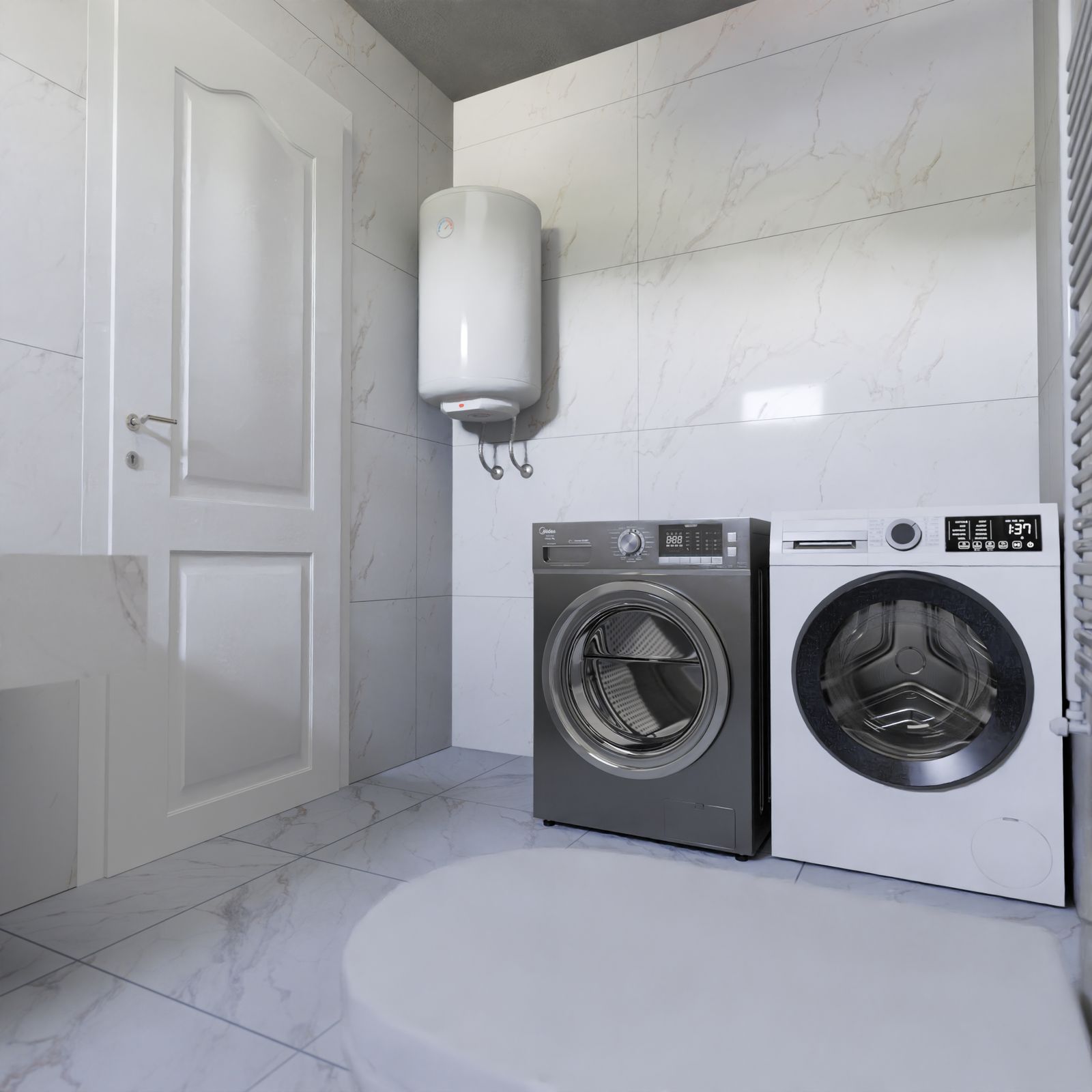
- The pro matches tank size and fuel type to your household.
- Venting, expansion tank and drain pan are reviewed before the visit ends.
- The upfront price is explained before any work begins.
Maybe the old tank finally gave out, or you are finishing a basement and the heater has to move. Either way, water heater installation in Bartlett is a decision you only want to make once, with the right size, fuel and venting for your house.
We connect Bartlett homeowners with experienced local pros who know how the village's homes are put together. Call, describe the house and the heater you have now, and you get straight answers and the upfront price before work starts. The rest of this page walks through what the pro will talk over with you.
Water heater sizing for your household
Size is the first question, and it has little to do with how big the old tank looked. What matters is how many people shower in the same stretch of the morning, whether anyone runs a large soaking tub, and how often the dishwasher and washing machine run alongside them.
Two numbers tell the story. The first-hour rating describes how much hot water a tank can deliver when it starts full, and the recovery rate describes how fast it catches up afterward. The pro uses both to match a tank to your household instead of guessing from the label on the old unit.
Many Bartlett two-story homes have several bathrooms on the upper floor, so a long run of pipe sits between the heater and the showers. Mention that on the phone, along with anyone who has moved in or out lately. A bigger tank is possible when the space and venting allow it, and the pro will tell you honestly when a larger model is not the answer.
Gas, electric, heat-pump or tankless: how the pro helps you choose
Most Bartlett homes already have a gas supply at the heater, and most homeowners stay with the fuel they have. Switching is possible, but it means looking at the gas line, the vent path and the electrical capacity near the heater, and that work belongs to the pro and not to you. A heat-pump model is an option when there is room and airflow around it. Our page on tankless water heater installs covers that route in more depth.
The table below is only a starting point for the conversation. The pro will fill in the details once they know your house.
| Type | What it needs from the house | Worth asking the pro |
|---|---|---|
| Gas tank | A gas line and a vent path to the outside | Whether the existing vent still suits a new unit |
| Electric tank | Suitable electrical capacity at the heater | Whether the circuit is right for the size you want |
| Heat-pump tank | Open space and airflow around the unit | Whether the room works for it year round |
| Tankless | Gas or power sized for the flow, plus venting | What changes in the walls and pipes |
What happens on installation day
The pro starts by confirming the new unit matches what you discussed, then shuts off the water and the fuel supply to the old tank. The old heater is drained and disconnected, and you can ask on the phone whether haul-away is part of the visit.
The new heater is set in place, usually on a fresh drain pan where the layout calls for one, and the water lines are connected. Gas or electric connections follow, then the venting for a gas unit. The pro also checks the temperature and pressure relief valve and its discharge pipe, adds fittings or an expansion tank if the setup needs them, and fills the tank.
Before leaving, the pro checks every joint for leaks, brings the heater up to temperature and shows you the controls and the model label. Keep that label handy, because it carries the information any future service call will ask for.
Expansion tank installation, venting and drain pans
These are the extras that quietly decide how well a new heater behaves. When water heats, it expands, and in a closed system that pressure has nowhere to go. An expansion tank installation gives it somewhere to go and protects fittings and the relief valve from constant strain. Whether your home needs one depends on how the plumbing is set up, so ask the pro.
Venting matters most on gas units. A tank that sits in a closet or garage may use a natural draft vent, while power-vent and direct-vent models move exhaust with a fan or a sealed pipe. The pro checks that the vent path is sound and sized for the new unit before anything is connected.
A drain pan with a pipe to a safe spot limits the damage if a tank ever fails. It is a small addition, especially for a heater above finished space.
Permits and inspections: ask the pro
Rules about permits and inspections vary, and they can change, so we do not list them here. The pro who comes out will know what applies to your address and will tell you what to expect.
It is a fair thing to ask on the phone before you commit. Ask whether the pro handles the paperwork, and whether an inspection follows the work. You should not have to guess, and a straight answer up front is part of how local pros earn trust.
Fitting a new heater in a Bartlett garage, closet, basement or attic
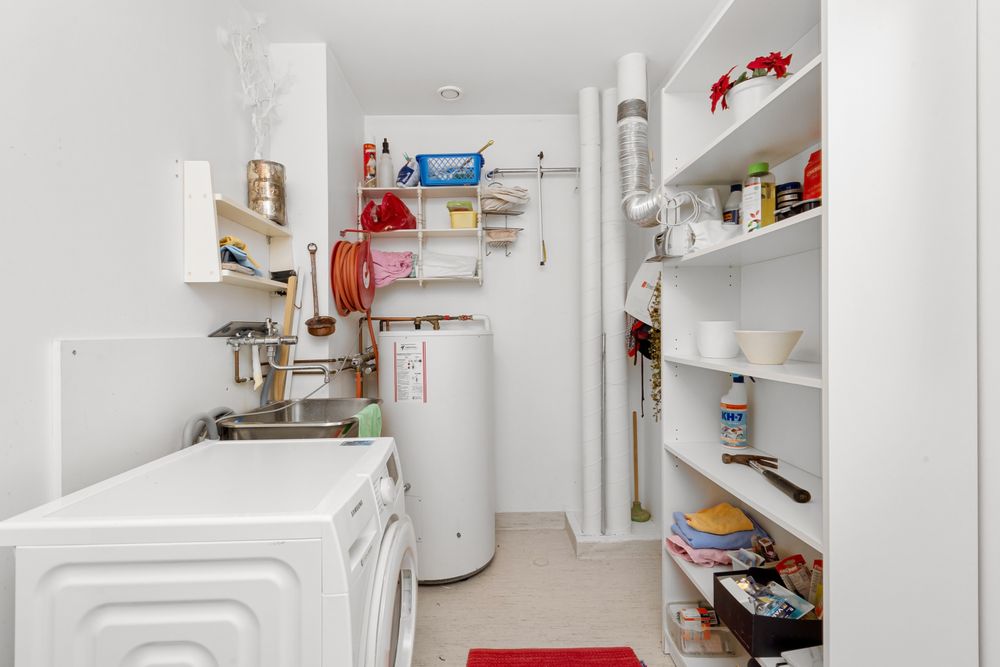
Where the heater sits changes the job more than almost anything else. Many single-family homes in the 1980s and 1990s subdivisions keep a gas tank in the basement, with room to work and a floor drain nearby. Slab ranch townhomes usually have no basement, so the heater lives in a utility closet or the garage, where clearances and vent runs are tighter and a drain pan matters more.
Older homes near the depot, covered on our page for water heater repair in Downtown Bartlett, often have narrower stairs and older piping around the heater, which the pro looks at before quoting. In the mid-1980s streets covered by water heater repair in Apple Orchard, basements are common, and the new tank usually goes back where the old one stood.
An attic heater is less common and brings its own questions, since a leak there reaches the ceiling below. Tell the pro where yours sits, and mention any cold-weather concerns, because Bartlett winters make a garage heater work harder.
When the old heater is already failing
Sometimes a new water heater install is not planned at all. If you see water pooling at the base, read about a leaking water heater first, because a leaking tank is rarely repairable. If the water simply stopped getting hot, our page on no hot water explains what the pro checks before anyone suggests a new unit.
When a fix still makes sense, the visit covered under water heater repair in Bartlett may be all you need. The pro will say plainly whether repair or a new heater fits your situation, and why.
Water heater installation in Bartlett: questions we hear
It depends on the type of heater, the access to it and whether venting or fittings need changes. The pro can give you a realistic expectation on the phone once they know the setup. A like-for-like swap in an open basement is a simpler job than a move to a new location.
Often yes, if the space, venting and supply can handle it. A larger tank holds more hot water, but it is not always the fix for running out. The pro looks at your household and the first-hour rating before recommending a size.
It depends on how your plumbing is set up, and whether the system is closed. The pro checks this during the visit and explains why they do or do not recommend one. It is a good question to ask before the work starts.
Many crews take it with them, but it is worth confirming when you call. Ask whether haul-away of the old tank is part of the visit. Having the answer up front avoids a tank left sitting in your garage.
Rules vary by address and can change, so we do not state them here. The local pro will know what applies to your home and what happens afterward. Ask on the phone and have them explain it plainly.
Sometimes. Moving a heater means new water lines, and for gas units a new vent path and gas run, so the pro needs to see the space first. A move from a basement corner to a utility closet is a different conversation than a straight swap.
There is no single answer, because it depends on what your house already has. Most homeowners stay with the fuel they have, since switching adds work. The pro can lay out the trade-offs for your layout and household.
Ask what exactly is included, how the venting and drain pan are handled, and what happens to the old tank. Ask whether the price is stated up front and whether any parts could change it. Also ask how workmanship is covered once the job is complete.
Ready to talk through your water heater installation in Bartlett?
One call gets you straight answers and a local pro who knows Bartlett homes. Tell us about the house and we will take it from there.