Gas Water Heater in Bartlett, IL
A gas water heater in Bartlett works hard through long winters, and when it fails the whole house feels it. We connect you with experienced local pros who know basement tanks, garage units and closet installs.
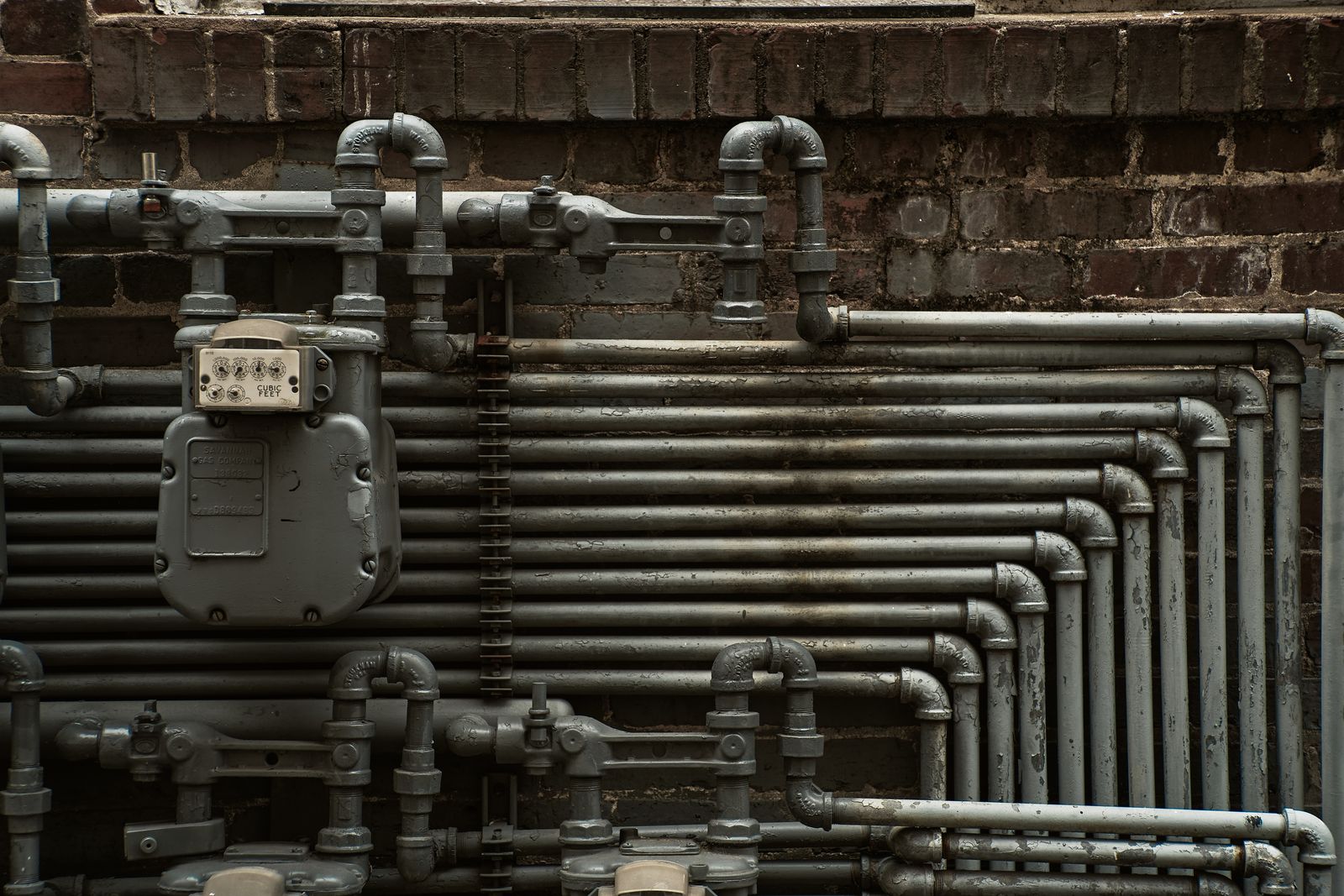
- Pilot, burner, thermocouple and gas control valve problems explained in plain words.
- Repair or replace: a straight answer based on the tank, not a sales pitch.
- Smell gas or hear a CO alarm? Leave first and call from outside.
If your gas heater has gone cold, keeps losing its flame or is making noises it never used to, the cause can usually be named quickly by someone who has seen it before. We connect you with experienced local pros who understand how a gas water heater in Bartlett is set up in basements, utility closets and garages.
Call and describe what you are seeing. You get straight answers about what is likely going on, what the options are and what the upfront price looks like before any work begins. The rest of this page explains how the unit works so that conversation makes sense.
How a gas water heater in Bartlett heats your water
A gas tank heater is a steel tank wrapped in insulation, with a burner underneath it. Cold water enters through a dip tube that sends it to the bottom, where the flame warms it. Hot water rises and leaves from the top, which is why the first draw at the tap is the hottest.
A gas control valve at the front does the thinking. It reads a thermostat, opens the gas to the burner when the water cools and closes it once the water is hot enough. A small safety sensor called a thermocouple proves a flame is present, and if it does not, the valve shuts the gas off.
Combustion gases rise through a central flue and leave the home through a vent pipe. Inside the tank, an anode rod works to slow rust, while minerals from Lake Michigan water settle as sediment on the bottom. Almost every call about a gas unit traces back to one of those pieces.
Why the pilot light keeps going out, and other thermocouple problems
A pilot that will not stay lit is one of the most common reasons homeowners call. The usual causes are a worn thermocouple that no longer senses the flame, a dirty pilot tube, a draft pulling the flame sideways or a gas control valve that is starting to fail. All of them look the same from the basement floor, which is why a tech tests each part rather than guessing.
Please do not try to relight it yourself. The cause matters more than the flame, and a pilot that keeps dying is a symptom, not the problem. Relighting belongs to the pro.
Newer models with electronic ignition have no standing pilot at all. A spark or hot-surface igniter lights the burner on each cycle, so a failure shows up as a unit that clicks or glows and then stops.
Popping and rumbling are a different story. Sediment collects under the burner, water trapped beneath it boils and the tank sounds like it is chewing gravel. That points toward water heater maintenance, and if it has gone on for a long time, toward a tank that is working harder than it should.
Venting and draft: why the flue matters
A gas heater has to send its exhaust outside, and it relies on airflow to do that. In a standard atmospheric unit, hot exhaust rises on its own up the flue and out of the house. A blocked vent, a strong downdraft or a house under negative pressure can push that exhaust off course.
Cold Bartlett winters make this worth understanding. Tight, well-sealed homes with bath fans, a dryer and a range hood running can pull air backwards through a flue. A tech looks for soot staining around the draft hood, rust on the vent connector or a flame that wavers when a fan starts.
None of this is something to diagnose from the floor. It is a good reason to have venting checked whenever a heater is serviced or replaced.
Power-vent and direct-vent gas models
Newer or relocated gas heaters often use a different venting method. A power-vent model has a blower that pushes exhaust through a plastic pipe, so it can leave the house horizontally through a wall. A direct-vent model also draws its combustion air from outside through a second pipe, so it does not use air from inside the home.
These models come up when an old flue is gone or the heater has to sit in a closet or garage far from a chimney. The table sets the main types side by side, and the pro can say which one suits your space.
| Type | How it vents | Good to know |
|---|---|---|
| Atmospheric | Natural draft up a flue or chimney | Simple parts, but it depends on a clear, correctly sloped vent |
| Power vent | A blower pushes exhaust through plastic pipe | Can exit through a side wall and needs a nearby outlet |
| Direct vent | Sealed system with its own outside air pipe | Does not use room air, so it suits tight closets and garages |
Gas water heater replacement or repair: how the call is made
The parts that sense, light and control a gas heater can be repaired. A thermocouple, igniter, gas control valve, thermostat or draft hood can be changed on a tank that is otherwise sound. Those are the cases where a repair makes sense, especially when the steel body is dry and clean inside.
A leaking tank is the line. Water seeping from the body means the inner lining has failed, and no part swap fixes that. The same goes for a unit that needs several major parts at once.
Age matters, but only as a starting point. The rating label on the side lists the model and serial number, and a tech can read the manufacture date from them. Bring that to the call, and the pro can explain whether gas water heater replacement is the sensible path or a repair still makes sense.
When replacement is the answer, the work follows the same steps as any water heater installation: draining, disconnecting, setting the new tank, reconnecting gas and water, then checking venting and flame. Some households use the moment to weigh a switch to an electric water heater, which changes the venting and power picture completely.
Your pro lays out the options and the upfront price before work begins, with nothing hidden. Completed work comes with a workmanship guarantee.
Where a gas water heater in Bartlett usually sits
Single-family homes from the 1980s subdivisions, such as Apple Orchard, and from the 1990s and 2000s areas, such as Woodland Hills and Westridge, often keep the gas heater in a partial or full basement. The two-story homes in Woodland Hills typically follow this pattern, and anyone who needs water heater repair in Woodland Hills can expect a basement tank in most cases.
Slab ranch townhomes tend to put the heater in a utility closet or the garage. Closets are tight, and a garage heater has to cope with winter cold. The ranch units of Fairfax Commons are a good example, and the page on water heater repair in Fairfax Commons covers that layout in more detail. Townhome owners are normally responsible for the heater inside their own unit, so check your HOA paperwork before the visit.
Across the village, Lake Michigan water that is generally moderately hard leaves sediment right where the burner heats the tank bottom. Cold winters mean the heater has little slack when it fails on a January morning. The home page explains water heater repair in Bartlett for the households who call about gas units, pilots and venting.

If you smell gas or a CO alarm sounds
If you smell gas, leave the home right away and call the gas utility and 911 from outside. Do not go back in until you are told it is clear.
If a carbon monoxide alarm sounds, leave the home and call 911. Do not stop to look for the cause, and let the responders decide when it is clear.
Once everyone is outside and the situation is handled, we can connect you with a local pro to look at the heater.
Gas water heater questions from Bartlett homes
Common causes are a worn thermocouple, a dirty pilot tube, a draft or a gas control valve that is failing. A pro tests each one to find which it is. Please do not relight it yourself, and if you ever smell gas, leave and call from outside.
It is a small sensor that sits in the pilot flame and makes a tiny signal while it is hot. The gas control valve reads that signal as proof that a flame exists. If the signal drops, the valve closes the gas, which is why a weak thermocouple can make the pilot keep dying.
It is usually sediment on the bottom of the tank. Water trapped under that layer boils and bubbles up through it, which makes the popping. Moderately hard water makes this common around Bartlett, and a tech can say whether a flush helps or the tank has built up too much.
Often yes, and it is the simplest swap. The pro will still ask how many people use hot water in the morning, since a household that has grown may want more capacity or faster recovery. Space and venting decide what actually fits.
It is a gas tank with a small blower that pushes exhaust out through plastic pipe, so it does not need a tall chimney. That makes it useful in closets, garages and finished basements. It needs a power outlet nearby for the blower.
Many homeowners schedule a yearly check of the burner, venting, anode rod and sediment, but it is a habit rather than a rule. Water here leaves sediment behind, so the check tends to be useful. Ask the tech what your unit's label and condition call for.
Leave the home and call the gas utility and 911 from outside. Do not go back in to investigate, and do not try to fix anything. After the all-clear, call us and we will connect you with a local pro.
In many homes, yes, but it changes the job. The gas line is capped by the pro, the vent is no longer needed and an electric unit needs a suitable power supply. The tech will tell you what they see and whether other trades need to be involved.
Ready to sort out your gas water heater in Bartlett?
Call and describe what the unit is doing. We connect you with experienced local pros, answer calls 24/7 and explain the upfront price before work begins.